
Personal care assistance is one of the most sensitive and essential supports a person can receive. It goes beyond helping someone with daily tasks—it supports dignity, comfort, independence, and overall wellbeing. In Melbourne and Lara, support organisations don’t deliver personal care in a rushed or generic way. Instead, it is thoughtfully planned to make sure every person receives support that suits their needs, preferences, and lifestyle.
Personal care may include assistance with showering, toileting, dressing, grooming, mobility, eating, or managing daily routines. Because these tasks are closely linked to privacy and confidence, careful planning plays a major role in making support feel respectful and empowering.
Personal Care Is Never “One Size Fits All”
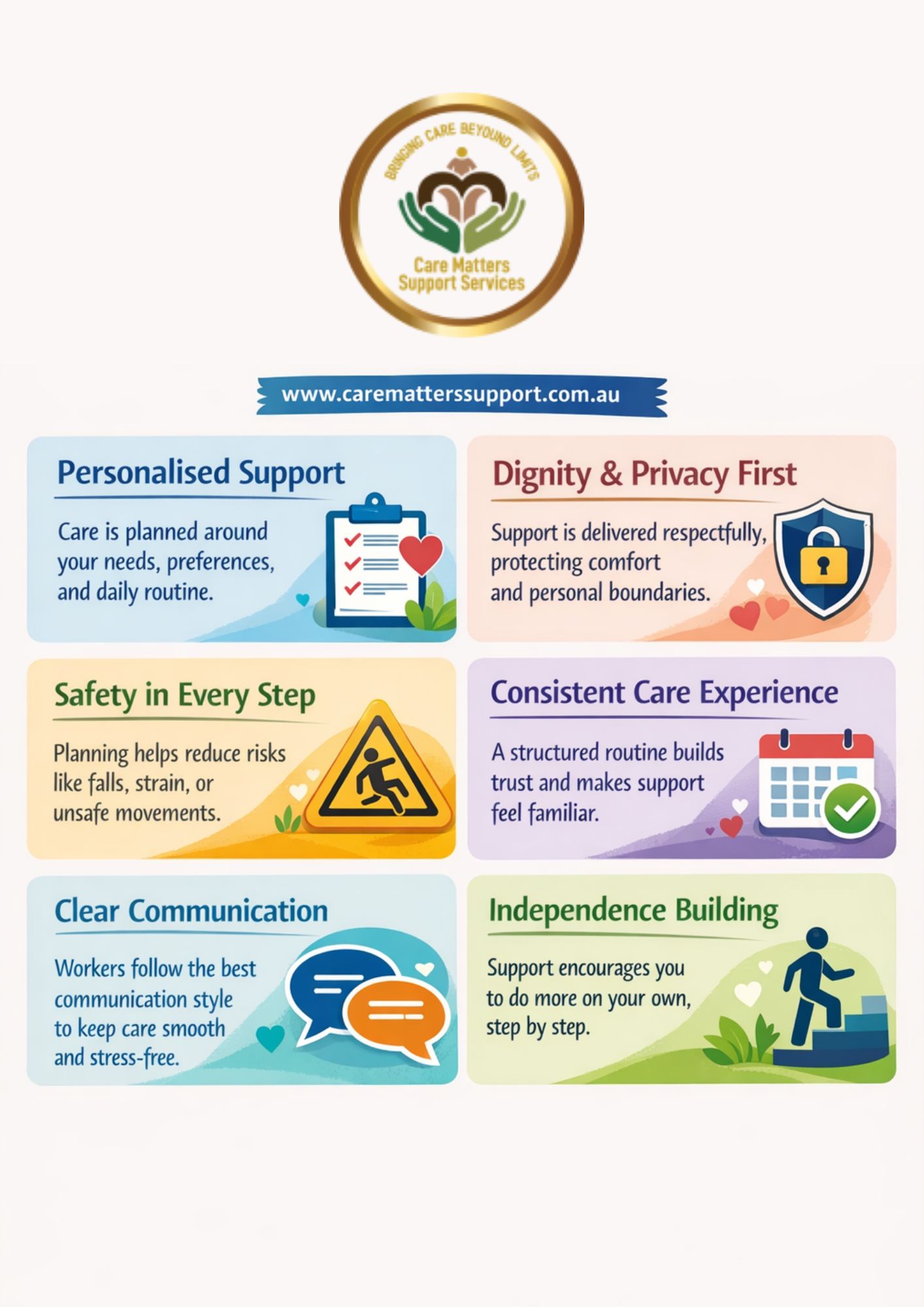
Every individual has their own routine, comfort level, and way of doing things. Some people prefer certain times of day for support, while others may need assistance in a way that maintains their sense of independence. Many people also have cultural values or personal boundaries that must be respected during care.
Support organisations plan personal care assistance in Melbourne and other suburbs with the individual at the centre. This ensures the person is not treated like a checklist, but as someone whose preferences and dignity matter. When care is planned properly, it feels less intrusive and more supportive.
Dignity and Respect Are at the Core of Good Care
Personal care often involves tasks that can feel uncomfortable or vulnerable, especially when support is new. That’s why planning is important—it helps ensure the person feels respected, heard, and in control.
When organisations plan personal care thoughtfully, they focus on how to provide help without taking away independence. The goal is not to do everything for someone, but to support them in doing what they can safely, while offering assistance where it’s truly needed. This approach builds confidence over time and supports a stronger sense of self.
Safety Needs to Be Built Into Everyday Routines
Daily routines can involve real safety risks, particularly for people who have limited mobility, balance concerns, chronic health conditions, or physical disabilities. Simple activities such as transferring from bed to chair, stepping into the shower, or moving around the bathroom can increase the risk of falls or injury.
Planning helps support organisations ensure that personal care assistance in Lara and other suburbs is delivered safely and consistently. Workers are guided on correct support techniques, safe movement strategies, and how to assist without causing strain or discomfort. This protects both the individual and the support worker, and it reduces the chance of accidents at home.
Consistency Creates Comfort and Trust
Personal care is not only physical—it can also affect a person emotionally. If support is inconsistent, rushed, or delivered differently each time, it can lead to stress or discomfort. Many people feel more secure when their care routine is predictable and familiar.
Support organisations plan personal care to create a stable experience. This may include matching the individual with the right support workers, keeping routines consistent, and ensuring the same respectful approach is followed across shifts. Over time, this consistency builds trust, which is essential for personal care support to feel safe and comfortable.
Better Planning Leads to Better Communication
Not everyone communicates the same way, and support organisations often assist individuals with different communication needs. Some people may need extra time to process information, some may use non-verbal cues, and others may feel anxious in unfamiliar situations.
Thoughtful planning ensures support workers understand how to communicate calmly and respectfully, how to ask for consent, and how to provide reassurance when needed. When communication is handled well, personal care becomes smoother and far more positive for the person receiving support.
Personal Care Must Fit Into Real Life
Personal care assistance should support a person’s life—not interrupt it. That’s why planning is also based on routines, schedules, and personal goals. Whether someone is preparing for work, attending appointments, spending time with family, or building independent living skills, personal care should fit naturally into their day.
For NDIS participants, this becomes even more important, as support often needs to align with personal goals and long-term outcomes. Planning ensures care is not only helpful in the moment, but also supports the person’s progress and confidence over time.
Final Take
Personal care assistance is one of the most meaningful supports a person can receive, but it must be delivered with care, professionalism, and respect. Support organisations plan personal care thoughtfully to protect safety, maintain dignity, build trust, and ensure support suits the individual’s lifestyle. When done well, personal care becomes more than assistance—it becomes a foundation for independence and a better quality of life.
Get Started Now
To schedule a discussion with us regarding assistance with personal tasks, contact Care Matters Support Services, the most trusted disability services and support organisation now. Call 0402866646 for more details.
Frequently Asked Questions About personal care support
- How do organisations ensure personal care doesn’t feel rushed or intrusive?
By planning enough time, following the person’s pace, and maintaining privacy and consent throughout.
- Can personal care support change if my needs change?
Yes, it can be reviewed and adjusted anytime based on your health, mobility, or routine changes.
- How is privacy maintained during personal care in shared living?
Through respectful practices like closed doors, proper coverage, and minimising interruptions.
- How do organisations match the right worker for personal care?
They consider comfort, preferences, communication style, and experience with your support needs.
- What if I feel anxious or uncomfortable during personal care?
Workers can slow down, reassure you, and adjust the approach to help you feel safe and in control.
- What happens if I refuse personal care on certain days?
Your choice is respected, and support can be rescheduled or adjusted based on your needs and safety.
- How is personal care planned for people with complex mobility needs?
With safe transfer methods, correct equipment, and trained staff to reduce risk and discomfort.
- Can personal care also help build independence?
Yes, it can support skill-building so you can do more tasks on your own over time.
- How are cultural preferences and boundaries respected during care?
By following your personal values, routines, and preferences, including gender or privacy needs.
- What if care feels inconsistent between different workers?
You can request a review so routines stay consistent and support meets your expectations.